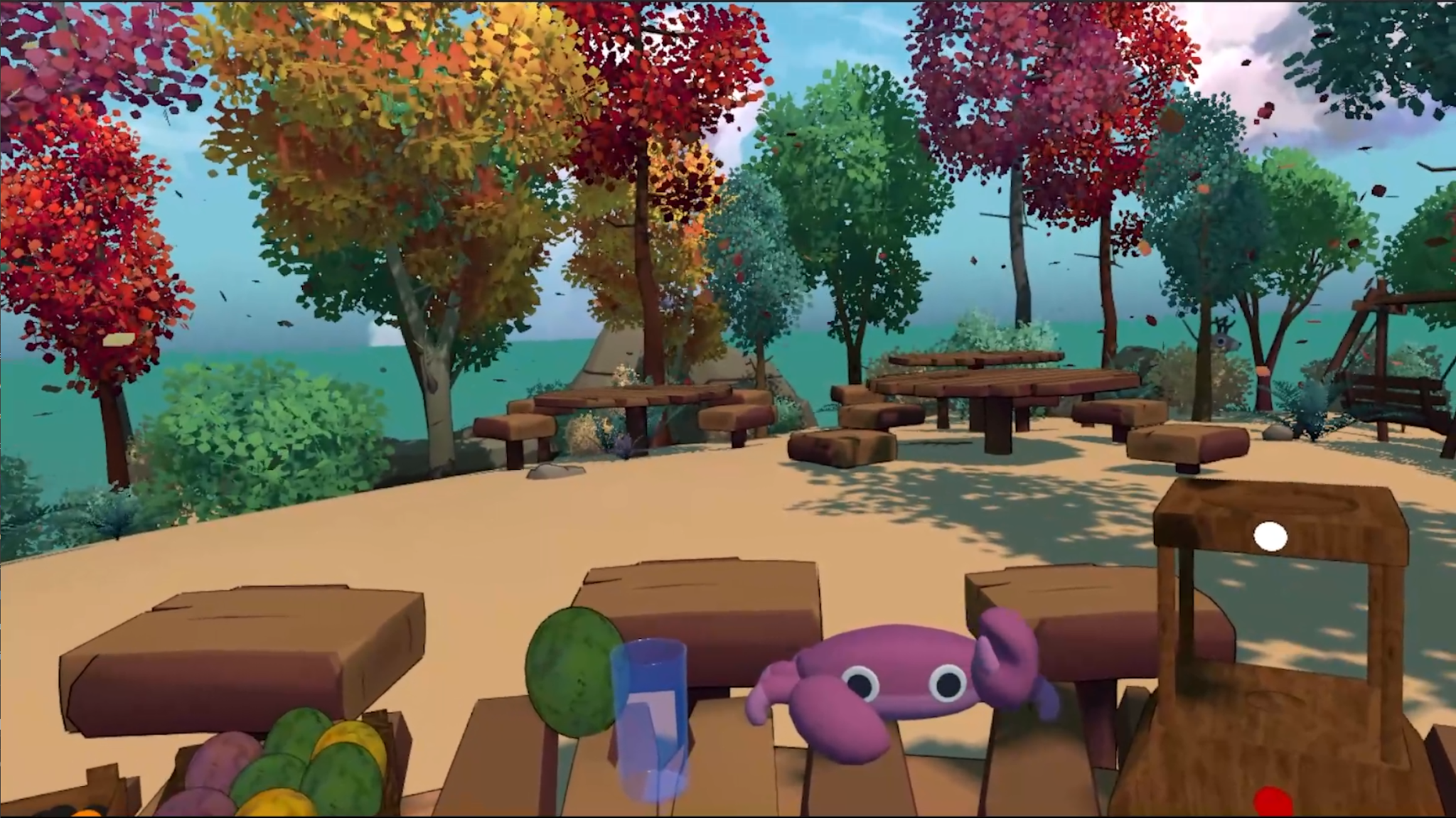
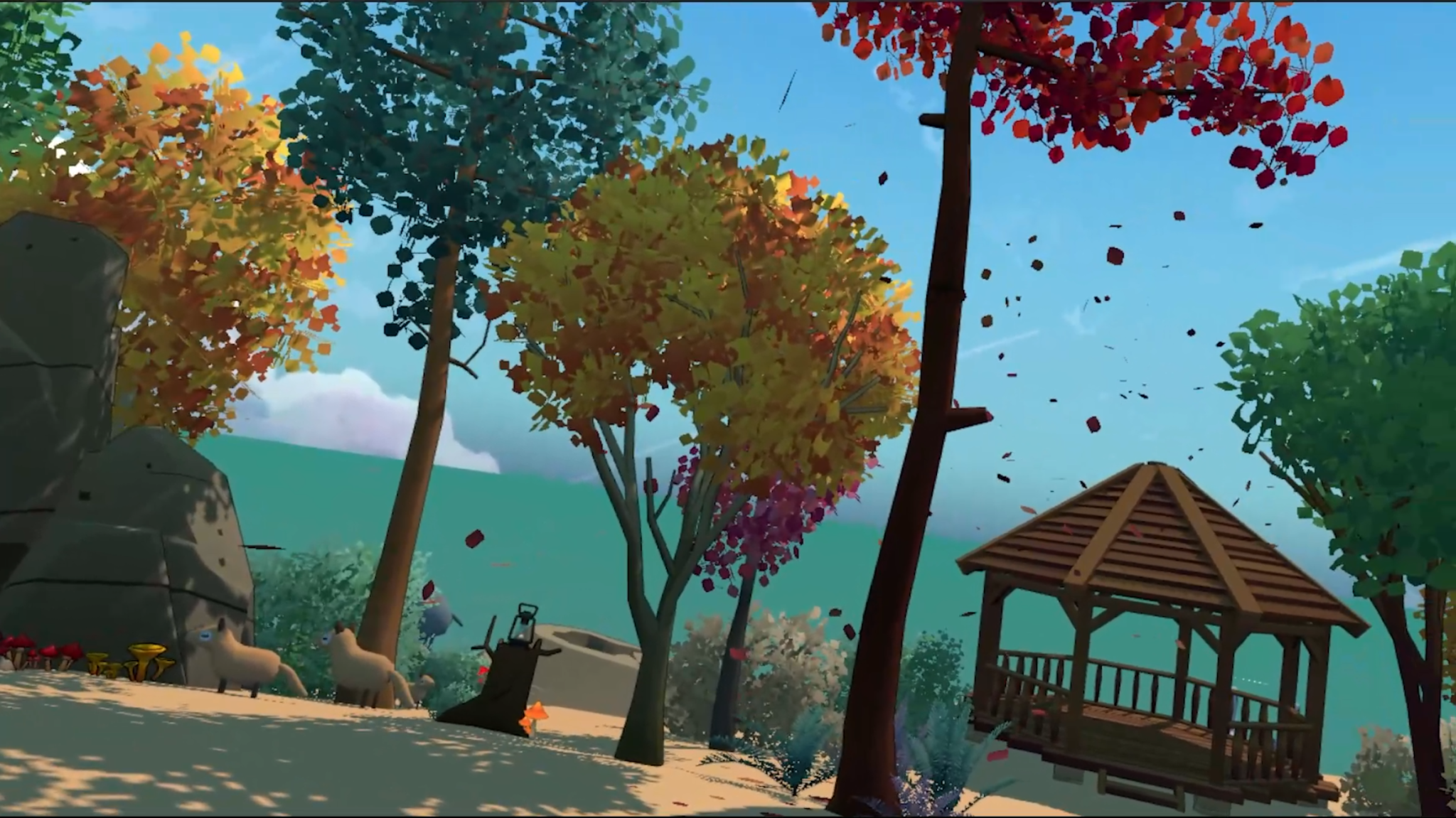
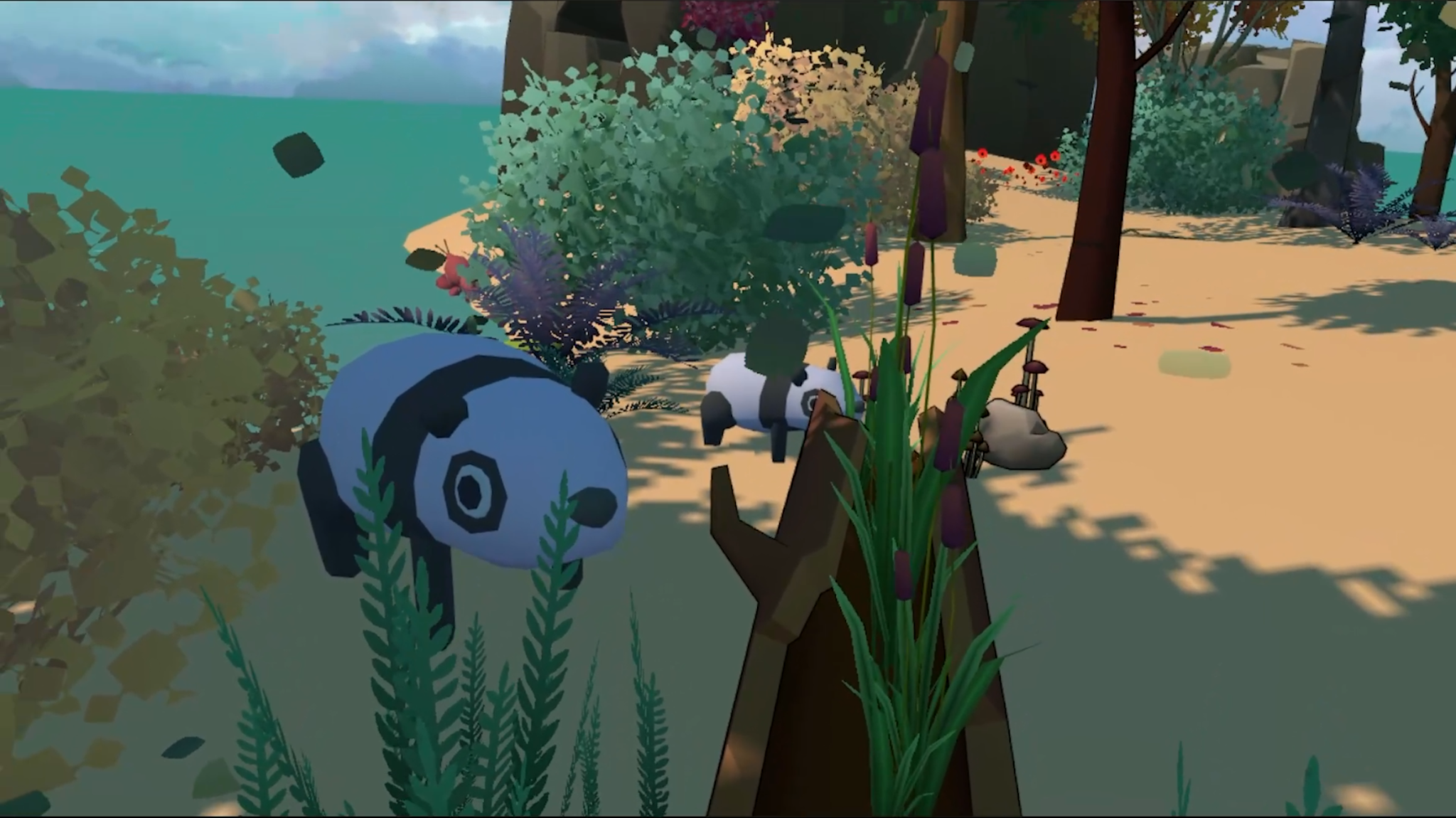
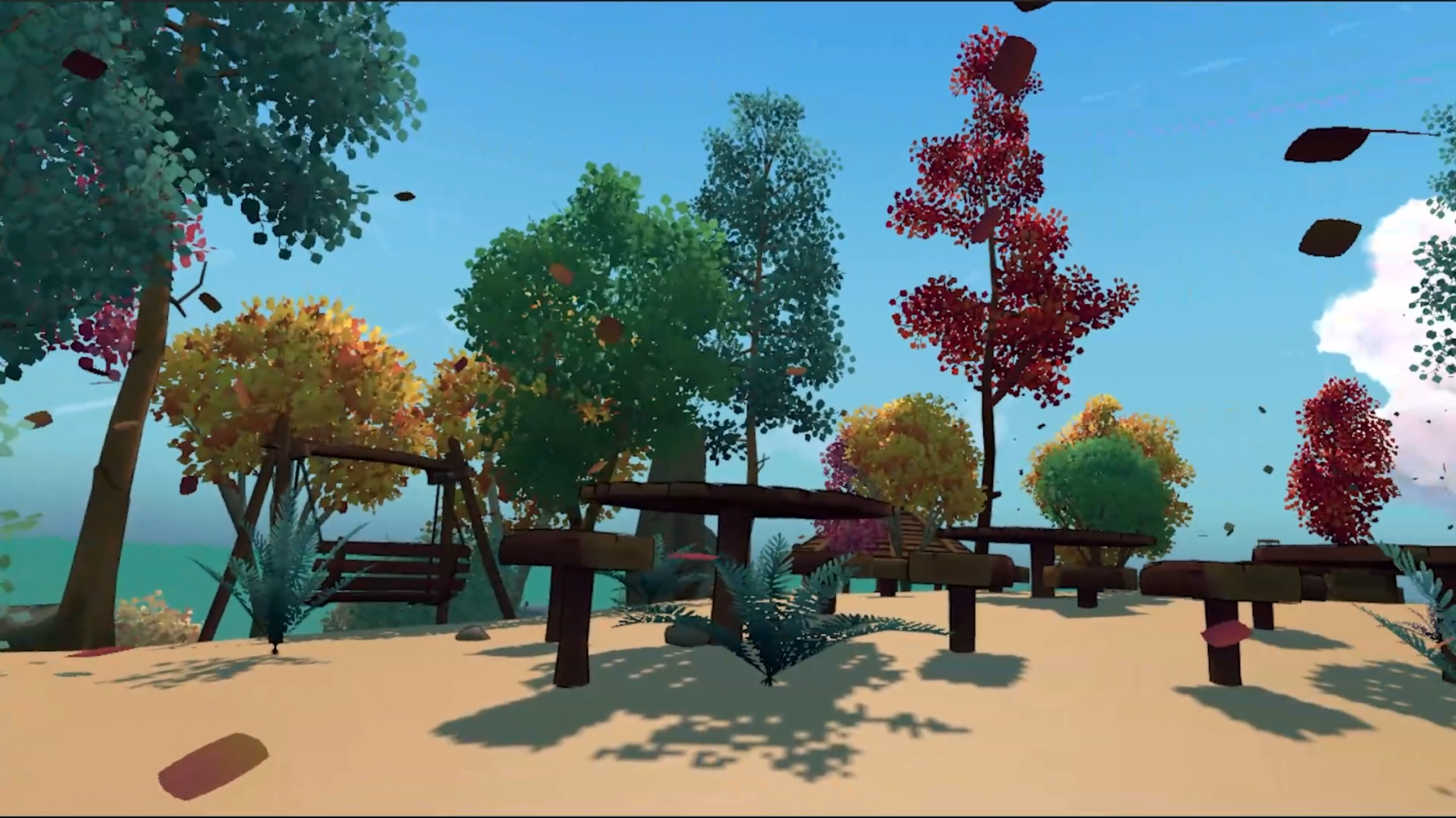
The VR4ICU project aims at transforming intensive care rehabilitation through the integration of cutting-edge virtual reality (VR) technology. This project is a collaborative effort that brings together the expertise of INESC-TEC, Virtuleap, and São João University Hospital, uniting technology developers, healthcare professionals, and academic researchers in a unique partnership.
The primary goal of VR4ICU is to improve the recovery outcomes of patients in intensive care units (ICUs) by utilising virtual reality to address both cognitive and physical challenges associated with long-term ICU stays. By using immersive VR experiences, we aim to mitigate the effects of Post-Intensive Care Syndrome (PICS), enhancing patient recovery through engaging and tailored therapeutic interventions.
The VR4ICU project is led by Nuno Rodrigues from INESC-TEC, Nicolas Morgenstern from Virtuleap, and João Coimbra from São João University Hospital.
VR4ICU introduces a novel approach to ICU rehabilitation:
- Cognitive Rehabilitation: Leveraging Virtuleap’s expertise, VR4ICU develops immersive VR experiences that stimulate cognitive functions, aiding in the cognitive recovery of ICU survivors.
- Physical Rehabilitation: Through interactive VR scenarios, patients are encouraged to engage in physical activities designed to improve their motor skills and overall physical health, essential for successful recovery.
- Engagement and Motivation: The VR environments are crafted to be engaging and motivating, helping patients overcome the monotony and isolation often experienced during long ICU stays.
The project utilises a seamless integration of technologies:
- Virtual Reality: Creating immersive and safe environments for patients to interact and rehabilitate without the constraints of the physical world.
- Artificial Intelligence: AI algorithms analyse patient data to tailor and adapt VR interventions, ensuring optimal engagement and efficacy based on individual patient needs.
As VR4ICU progresses, our focus remains on validating the effectiveness of VR interventions in a clinical setting and exploring their potential scalability to other health contexts. We are committed to pushing the boundaries of what’s possible in medical treatment and patient care.
The Problem
Post-Intensive Care Syndrome (PICS) is a combination of physical (ICU-acquired neuromuscular weakness), cognitive (thinking and judgement), and psychologic (mental health status) impairments that arise during and after receiving Intensive Care Unit (ICU) treatment [1, 2, 3, 4, 5, 6]. It is estimated that between 50% to 75% of discharged ICU survivors suffer from PICS [1, 2, 7, 8], with up to 50% of patients showing long-term physical weakness (involving recurrent falls, tetraparesis or quadriparesis, and poor mobility), 75% reporting cognitive limitations (difficulty in remembering, paying attention and solving problems) and 62% having shown to have a higher risk of developing psychiatric illnesses, such as post-traumatic stress disorder (PTSD), depression and anxiety [3, 5]. PICS symptoms start in the ICU and while about half the patients recover substantially in the 12 months after discharge, many will experience permanent consequences. Besides the problems directly related to the 3 domains of PICS (physical health, mental health and cognition), ICU survivors face a myriad of functional challenges in their lives, including sexual dysfunction, chronic pain and pulmonary dysfunction, which often prevents them from carrying daily living activities and demand constant assistance, further medication, follow-up consults and therapy, especially in the first year after discharge. PICS also entails social consequences, with about 33% of patients being forced to change jobs to lower paid occupations because of a reduced cognitive and physical ability [6].
Although the recognition of the long-term consequences of critical illness goes back to reports by Osler as early as 1892, it was only in 2010 that the term PICS was coined in a multidisciplinary medical conference. Since then, the research community has been trying to identify strategies to mitigate PICS. In 2011, the ABCDE bundle intervention was proposed, consisting in a series of practices to promote Awakening and Breathing Coordination, Delirium monitoring/management, and Early exercise/mobility. Several studies confirm the effectiveness of the ABCDE bundle to prevent ICU-acquired weakness and improve the physical recovery of patients [1, 3, 5, 6].
Although there are several approaches and recommendations to prevent PICS with good results in the physical health domain, notably the ABCDE bundle, there is no known effective intervention to prevent cognitive decline in patients during ICU stay. In the case of physical decline, the main cause seems to be the lack of movement, and the problem can be prevented with early mobilisation and physical therapy. In the case of cognitive decline, a great deal of the cause seems to rely on the lack of cognitive stimulation during ICU stay, which points to early cognitive training as a probable successful intervention. However, traditional cognitive training is not suitable for the ICU, where patients find it very difficult to abstract from the harsh ICU environment and concentrate on cognitive demanding tasks.
Research Hypothesis
We believe that immersive and interactive VR interventions are a suitable answer for the cognitive domain of PICS if one is able to overcome two fundamental HCI challenges. The first challenge is to rigorously characterise the interaction capacity range of ICU patients in a VR environment (e.g. using controllers, moving the hands, following instructions, size of visual objects, types of movement inside the environment) and use that knowledge to implement a Virtual Reality Intensive Care Unit Standard development kit (VRICUS) that can be used to author VR interventions that are suitable to be used by ICU patients.
The second challenge is the high adaptability that these VR experiences must have, not just because of safety concerns but primarily for maximising patient motivation. Although all ICU patients are critically ill and in a frail condition, their physical and cognitive capacity varies greatly. So one patient may find it trivial to execute a certain set of cognitive tasks, and feel bored by the experience, while another may find it impossible, and feel frustrated by what he is being asked to perform. Finding the right balance between types of cognitive tasks and difficulty is of utmost importance for these mentally vulnerable patients. We propose to solve this problem using multimodal machine learning [21] trained with data from both patients’ interaction in the VR environment and biosignals that are easily accessible in the ICU (e.g. blood pressure, temperature, heart-rate, respiratory frequency).
Publications
[P1] E. Oliveira, N. A. A. Pereira, J. Alves, P. R. Henriques and N. F. Rodrigues, “Validating Structural Cognitive Training Using Immersive Virtual Reality“, 2023 IEEE 11th International Conference on Serious Games and Applications for Health (SeGAH).
[P2] Monteiro, R., Rodrigues, N.F., Martinho, J., Oliveira, E. (2022). Sea of Cells: Learn Biology Through Virtual Reality.
[P3] F. Morim, E. Oliveira, C. Braga and N. Rodrigues, “Virtual Reality Video Game for Depression Awareness“, 2022 IEEE 10th International Conference on Serious Games and Applications for Health (SeGAH).
[P4] I. Oliveira, A. Afonso, E. Oliveira, J. Coimbra and N. F. Rodrigues, “Design principles for cognitive and physical rehabilitation of ICU patients using Virtual Reality (VR)“, 2022 IEEE 10th International Conference on Serious Games and Applications for Health (SeGAH).
Team Members